

Advancing Psychological Safety in Healthcare
We help healthcare teams build systems to strengthen collaboration, support learning, and improve team performance.
What is Psychological Safety?
Psychological safety is the shared belief that it’s safe to speak up, ask questions, share concerns, and take risks without fear of embarrassment, rejection, or punishment.
Stronger Teams Start with Psychological Safety
Research clearly shows that teams perform at their best when:
It feels safe to speak up.
Leaders actively encourage idea sharing.
Mistakes are treated as opportunities to learn.
In healthcare, complex work and hierarchy can make it harder for everyone to feel comfortable speaking up. Psychological safety gives teams the foundation they need to collaborate, learn, and perform at a higher level.

How We Help

Create Awareness
We leverage The Fearless Organization Scan, a validated assessment built on Amy Edmondson’s research, to deliver data-driven insight into team climate and psychological safety. Leaders gain a clearer view of where learning is supported and where barriers to team performance exist.
Enhance Skills
We facilitate experiential learning that helps teams practice connection, curiosity, and candor in day-to-day work. These skills build habits that support inclusion, effective communication, and collaboration.
Build Systems
We embed psychological safety into daily operations by aligning team routines, information flow, and goal review processes. This strengthens problem-solving and supports continuous improvement.
Strengthen Leadership
We coach leaders to model vulnerability, invite dissenting views, and reinforce behaviors that support inclusion, learning, and accountability at every level. Teams are better equipped to surface issues, learn quickly, and improve together.
Why This Matters

Why This Matters
When leaders make psychological safety a priority, they create an environment where:
Team members feel heard and supported
Problems are identified early
Innovation moves faster
Teams perform more reliably in complex healthcare settings
Grounded in Research
Decades of evidence show that teams with high psychological safety consistently perform better than those with low levels. This shows up as higher staff engagement, stronger learning behaviors, and more resilient performance. The studies below offer real-world examples of how psychological safety shapes how teams work and perform under pressure.
Edmondson’s landmark study: Teams with higher psychological safety are more likely to ask questions, raise concerns, and learn from mistakes. These learning behaviors are linked to stronger team performance.
Leadership impact: Psychological safety promotes open dialogue, trust, and collaborative decision-making within leadership teams, shaping how leaders surface issues, align priorities, and respond to challenges.
Innovation: Psychological safety supports the learning behaviors that make creativity, process improvement, and stronger performance possible.
Research across hospital teams: Evidence from nursing teams and operating room research shows that psychological safety strengthens open communication, reduces burnout, supports retention, and enables teams to adapt under pressure, contributing to stronger teamwork and improved outcomes in high-stakes environments.

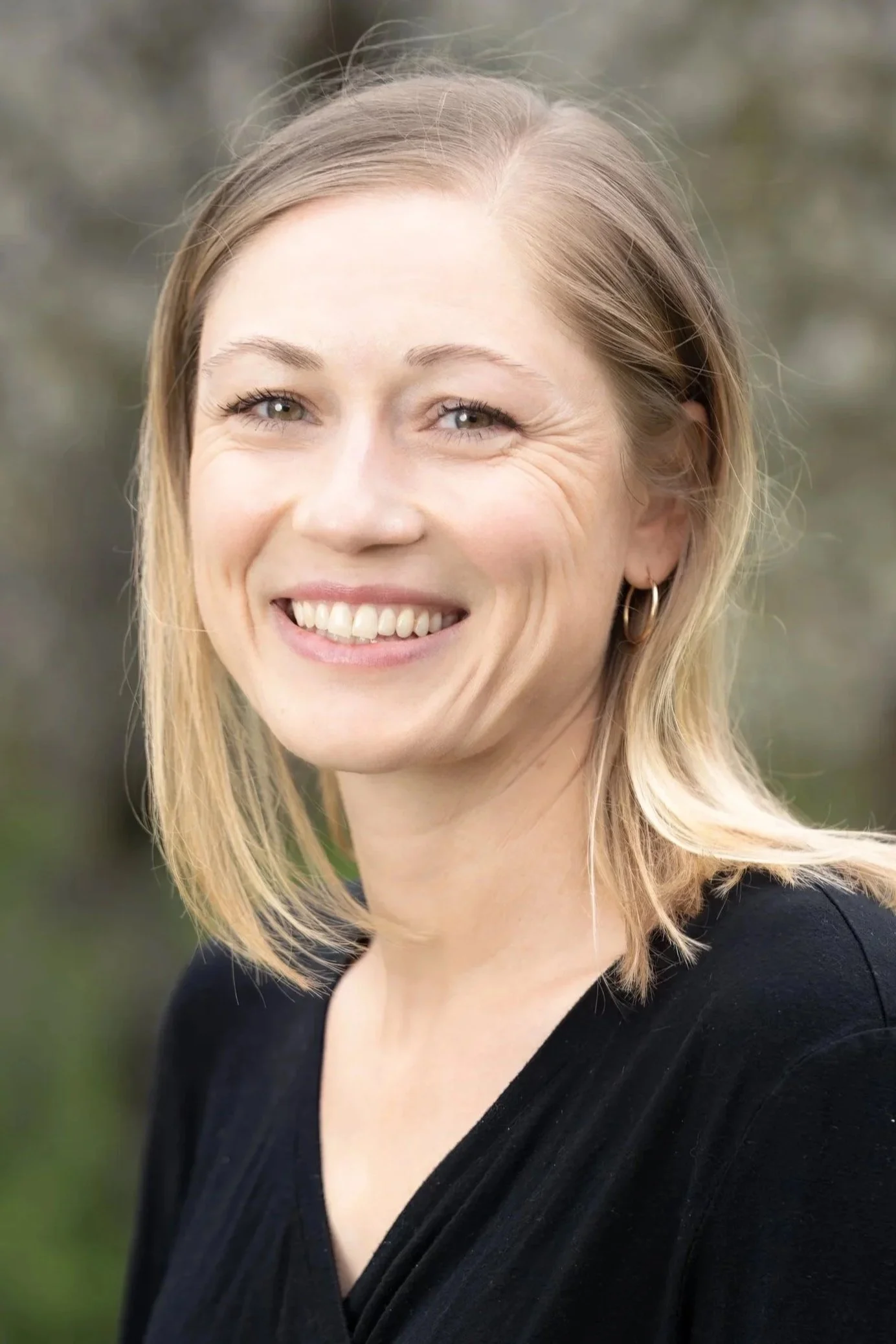
Meet Whitney Murphy
Whitney Murphy is the founder of Greenspring Consulting. She is a healthcare executive with more than 15 years of experience leading complex hospital operations. Her work focuses on strengthening cultures of safety, learning, and team performance.
She founded Greenspring Consulting to help healthcare leaders create environments where people feel safe to speak up, innovate, and solve problems together. Her work integrates principles of psychological safety and continuous improvement into everyday practice. As a certified practitioner of The Fearless Organization Scan, Whitney helps organizations turn psychological safety from an abstract idea into measurable insights that strengthen team performance.
Whitney lives on Bainbridge Island, Washington, with her husband and three children. She enjoys hiking, boating, and exploring the natural beauty of the Pacific Northwest.
Contact Us
Are you curious about your team’s level of psychological safety? Share your information, and we will contact you soon. We look forward to connecting with you!